

Kandy Esala Perahera Festival 2025: A Spectacle of Culture and Devotion
The Kandy Esala Perahera is one of Sri Lanka’s most magnificent cultural and religious festivals, attracting thousands of locals and tourists every year. In 2025, this grand procession will once again light up the streets of Kandy with vibrant performances, sacred rituals, and an unforgettable display of tradition.
If you’re planning to witness this majestic event, here’s everything you need to know—from its rich history to modern-day celebrations, along with essential tips for travelers.
History of the Esala Perahera
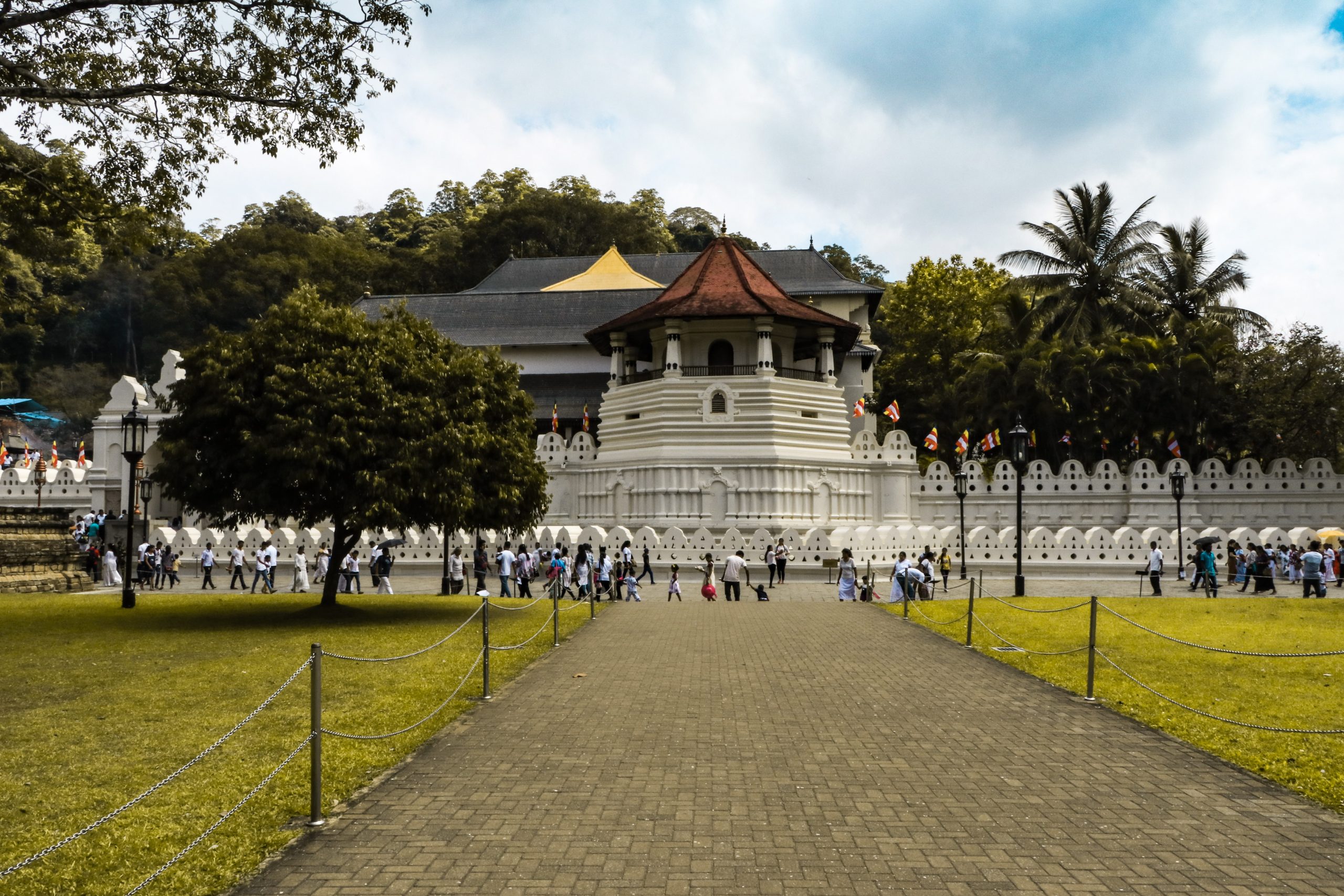
The origins of the Esala Perahera date back over 2,000 years, blending Buddhist and Hindu traditions. The festival is held in honor of the Sacred Tooth Relic of the Buddha, which was brought to Sri Lanka in the 4th century AD and enshrined in Kandy’s Sri Dalada Maligawa (Temple of the Tooth).
Ancient Roots
- The festival traces its beginnings to ancient rituals performed to invoke blessings for rain and prosperity.
- The Esala Perahera was formalized during the reign of King Kirthi Sri Rajasinghe (1747–1782) of the Kandyan Kingdom.
- It combined the Dalada Perahera (procession of the Tooth Relic) with the Esala festival, originally dedicated to the Hindu gods Natha, Vishnu, Kataragama, and Pattini.
Colonial Influence & Preservation
- Despite British colonial rule (1815–1948), the Perahera continued as a symbol of national identity.
- The Ceylon government later took steps to preserve and promote the festival as a key cultural heritage event.
The Modern Kandy Esala Perahera
Today, the Esala Perahera is a 10-day spectacle featuring elaborate processions, traditional dancers, drummers, and lavishly decorated elephants. The 2025 festival is expected to be even more spectacular, with enhanced cultural performances and security measures for visitors.
Key Highlights of the Festival
- Kumbal Perahera (First 5 Nights) – The initial processions feature dancers, drummers, and flag bearers, building excitement.
- Randoli Perahera (Next 5 Nights) – The grandest nights, where the Sacred Tooth Relic casket is paraded on a majestic tusker.
- Diya Kepeema (Water Cutting Ceremony) – The final ritual at the Mahaweli River, symbolizing the end of the festival.
Cultural Performances
- Traditional Kandyan Dancers (Ves, Pantheru, and Naiyandi)
- Fireball Acrobats & Drummers
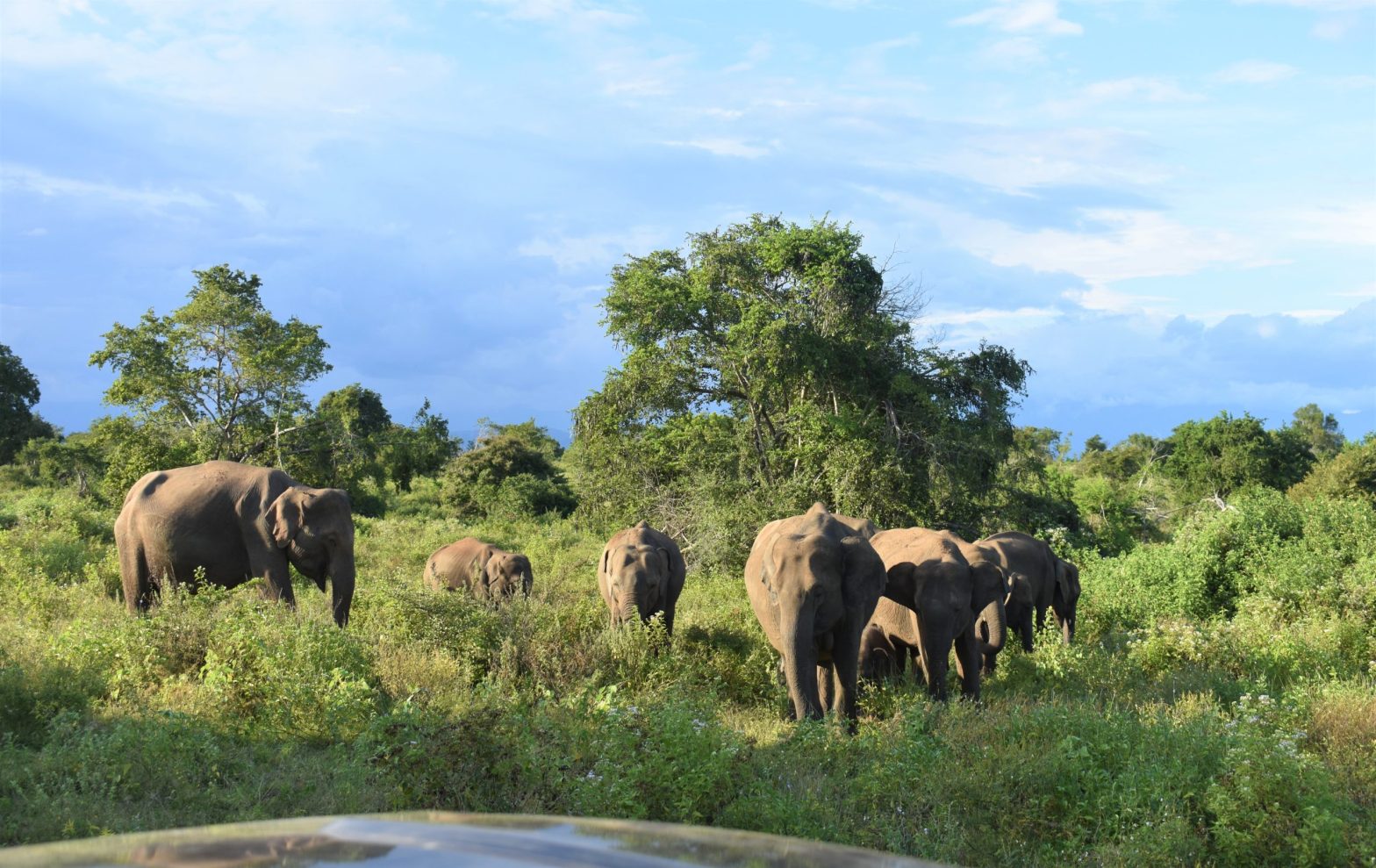
- Decorated Elephants (up to 100 in the main procession)
Essential Tips for Foreign Travelers
To make the most of your Kandy Esala Perahera 2025 experience, follow these tips:
Best Viewing Spots
- Reserved Grandstand Seats (Book in advance via the Temple of the Tooth or travel agencies)
- Hotels & Restaurants with balcony views (e.g., Queen’s Hotel, Theva Residency)
- Along Dalada Veediya & Temple Streets (Arrive early for a front-row spot)
Travel & Safety Tips
✔ Book Accommodation Early – Hotels fill up months in advance.
✔ Dress Modestly – Shoulders and knees should be covered.
✔ Carry Cash – Street vendors and small shops may not accept cards.
✔ Beware of Pickpockets – Keep valuables secure in crowded areas.
✔ Use Tuk-Tuks or Walk – Roads are closed during the procession.
Best Time to Visit
- The main processions start around 7:30 PM and last until midnight.
- The final Randoli Perahera (last 2 nights) is the most spectacular.
Frequently Asked Questions (FAQ)
1. When is the Kandy Esala Perahera 2025?
The festival typically falls in July or August (based on the lunar calendar). Exact dates for 2025 will be announced closer to the event.
2. Is there an entrance fee?
- Free for street viewing.
- Paid seats (around $20–$50) for grandstand views.
3. Can I take photos?
Yes, but avoid using flash near elephants as it may disturb them.
4. Is it safe for solo travelers?
Yes, but stay in well-lit areas and avoid isolated spots at night.
5. What else can I do in Kandy during the festival?
- Visit the Temple of the Tooth
- Explore the Kandy Lake & Royal Botanical Gardens
- Enjoy a cultural dance show